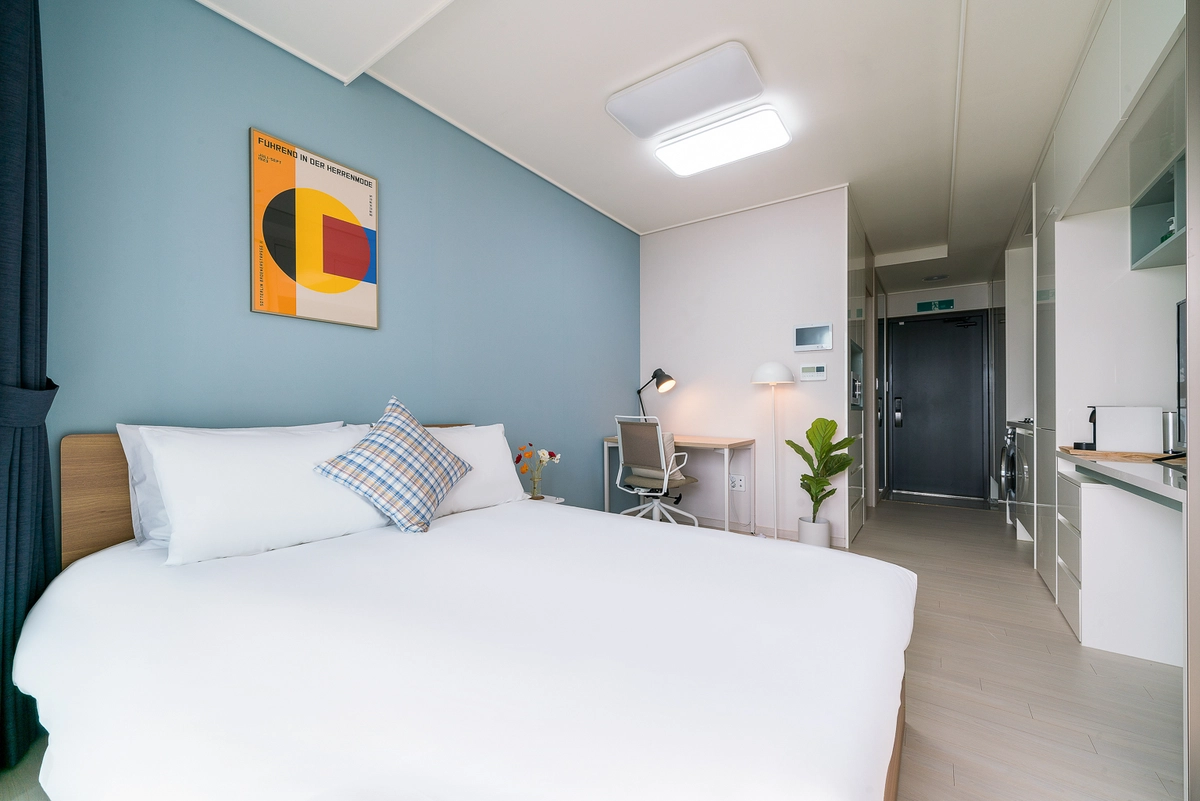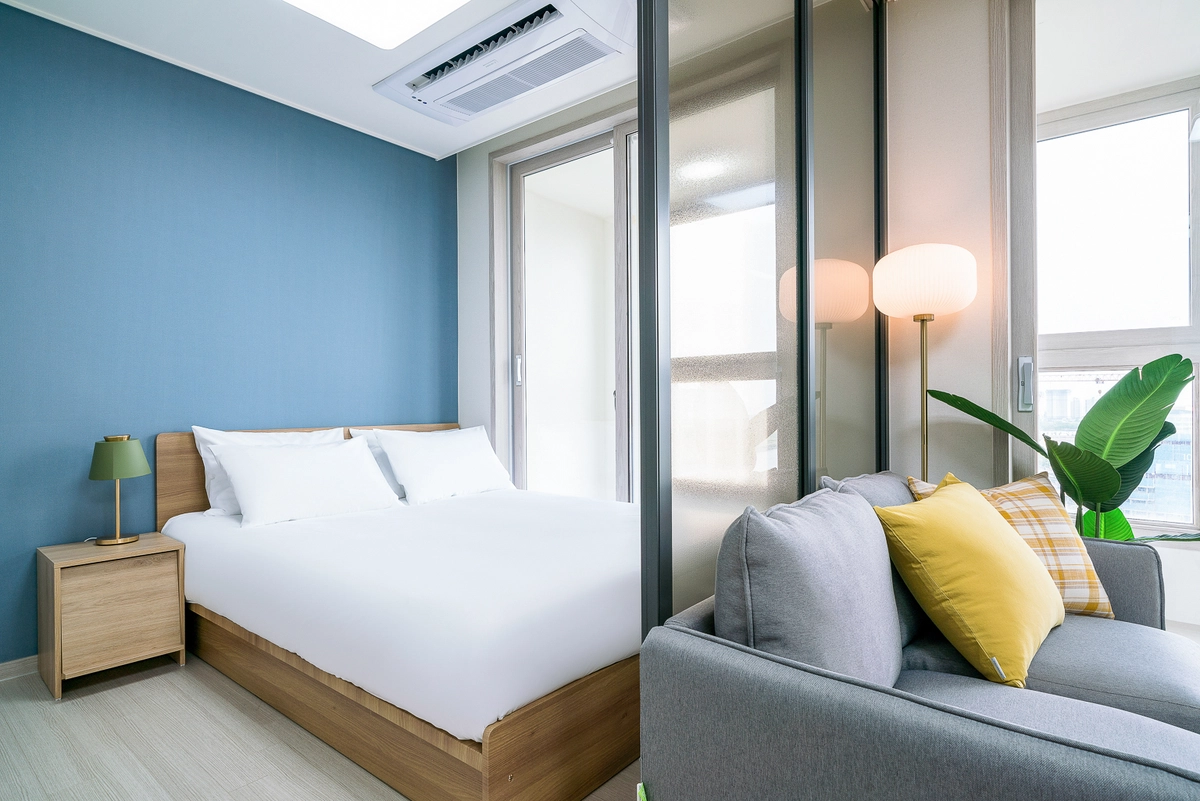
집을 단기임대로 놓으려는데, 세금 부담이 걱정되시나요
단기임대로 쏠쏠한 부수입을 얻고 싶지만 덜컥 겁부터 나는 부분이 있죠.
"집을 단기임대로 돌렸다가 재산세가 확 오르는 건 아닐까."
"다주택자로 묶여서 종합부동산세 폭탄을 맞으면 어쩌지."
실제로 임대사업자 등록 여부와 주택 수에 따라 세금 고지서가 달라질 수 있어요.
예상치 못한 세금 폭탄으로 정말 막막하고 힘들어지는 상황을 피하기 위해
호스트가 꼭 알아야 할 재산세·종부세 기준과 실수익 방어법을 알려드릴게요.
단기임대, 재산세와 종부세에 어떤 영향을 줄까요?
부동산 보유세인 재산세와 종부세는 임대소득보다는 보유 주택 수가 핵심이에요.
등록하면 재산세 감면·종부세 합산배제를 받을 수도 있어요
주택임대사업자로 등록하면 재산세 감면이나 종부세 합산배제 같은 세제 혜택을 받을 수 있는 제도가 있지만, 무조건 적용되는 건 아니에요.
주택 규모, 공시가격, 등록 시점 등 세부 요건을 모두 충족해야 해요.
특히 최근에는 이런 과세특례 기준이 계속 축소되고 까다로워지는 흐름이라, 과거 정보만 믿고 시작했다가 나중에 황당한 일이 생기곤 해요.
미등록 다주택자라면 세금 부담이 훨씬 커질 수 있어요
임대사업자 등록 없이 주택을 여러 채 보유하며 단기임대를 돌린다면, 합산배제 혜택 없이 모든 주택이 종부세 계산에 포함되어 세금 부담이 급증해요.
정확한 요건은 매년 세법 개정에 따라 변동되므로, 국세청(126)이나 전문 세무사를 통해 본인의 현재 기준을 직접 진단받는 게 가장 안전해요.
출처 : 국세청 공식 안내 (2026년 기준)
단기임대 재산세·종부세, 이렇게 확인하세요
① 현재 보유 주택 수와 임대사업자 등록 여부 먼저 확인하기
② 국세청 홈페이지 또는 관할 세무서에서 현재 재산세 감면·종부세 합산배제 요건 확인하기
③ 등록 여부에 따른 유불리를 세무사와 함께 계산해보기 (등록하면 건강보험료 등 다른 변수가 생길 수도 있어서 함께 따져봐야 해요)
단기임대도 재산세·종부세 감면 대상이 될까?
등록만으로 무조건 감면되는 건 아니에요. 주택 규모·보유 기간·등록 유형 같은 세부 요건을 충족해야 하고,
최근에는 감면 기준 자체가 축소되는 추세라서 국세청이나 세무사를 통해 현재 요건을 직접 확인하는 게 안전해요.
이 글은 일반적인 정보 제공 목적이며, 세무사·국세청 확인을 대체하지 않아요.
출처 : 국세청 공식 안내 (2026년 기준)
보유세 부담을 상쇄하는, 호스트 실수익 방어법
재산세와 종부세는 소득과 무관하게 자산 가치에 매겨지는 고정 비용이에요.
세금 지출이 크다면, 결국 플랫폼 수수료 같은 운영 비용을 줄여야 실수익이 남아요.
항목 | 삼삼엠투 | 플라트 라이프 |
|---|---|---|
호스트 수수료 | 3.3% (임대료 예약마다 부과) | 0원 (현재 기준) |
방 등록 수수료 | 없음 | 없음 |
보유세 부담과의 관계 | 수수료가 매번 빠져나가 보유세 부담을 상쇄할 여지가 줄어듦 | 수수료 지출이 없어 보유세 부담분을 다른 데서 방어할 여지가 커짐 |
출처 : 삼삼엠투·플라트 라이프 공식 홈페이지 (2026년 기준)