입주 가이드
외국인 유학생 한국어를 몰라도 집 구하기 — 언어 장벽·보증금·계약 완전 가이드
"한국에서 집 구하기, 유학생 10명 중 8명은 막막함을 느껴요" 언어 장벽부터 비싼 보증금, 생소한 계약 절차까지… 걱정되는 것들이 한두 가지가 아닐 텐데요. 이 글을 끝까지 읽으면, 한국어를 잘 몰라도 안전하게 나만의 집을 계약하는 명확한 방법을 알게 될 거예요.
Life Editor
외국인 유학생 한국 집 구하기
언어·비용·정보 장벽 3가지
한국에 처음 오는 외국인 유학생이라면 누구나 마주하는 벽이 있어요.
바로 집 구하기 인데요.
낯선 땅에서 나만의 안식처를 찾는 과정이 왜 이토록 어려운지 그 이유를 짚어봤어요.
① 구글 번역기로는 부족한 언어 장벽
부동산에 가면 모든 대화와 서류가 한국어로 진행돼요.
가뜩이나 한국어가 낯선 상황에서 생소한 부동산 용어 가득한 계약서를 번역기에 의존해 읽다 보니, 중요한 조항을 놓치는 경우도 빈번해요.
실제로 ‘유학생 5명 중 1명(15~20%)은 주거 계약 과정에서 불이익이나 부당한 대우를 경험’한 것으로 나타났어요.
피해를 보는 외국인 유학생이 매년 수천 명에 달하는 숫자예요.
출처 : 2022 경기도외국인인권지원센터 외국인 유학생 주거권 실태조사
② 감당하기 버거운 '주거비 부담'
"그냥 저렴한 집, 아무데나 계약하면 안 되나요?"라고 물으실 수 있지만, 현실은 녹록지 않아요.
서울 청년 1인 가구 월평균 주거비 : 895,900원 (2023년 기준)
상승폭 : 전년 대비 12.7% 급증
여기에 보증금과 관리비, 공과금까지 더해지면 유학생이 감당해야 할 실제 체감 비용은 훨씬 커져요.
출처 : 2023 국토연구원 주거실태조사
③ 믿을 만한 '다국어 정보의 부재'
한국의 임대 플랫폼 중 다국어를 제대로 지원하는 곳은 매우 드물어요.
실제로 유학생의 62%가 한국 생활 중 가장 큰 고충으로 ‘언어 장벽’을 꼽을 만큼 정보 접근성이 낮아요.
신뢰할 수 있는 정보를 얻기 힘들다 보니,
내 권리를 지켜줄 계약 조건이 안전한지 확인조차 못한 채 도장을 찍게 되는 위험한 상황에 놓이기도 해요.
출처 : 2024 한국대학교육협의회 유학생 실태조사
한국어 몰라도 집 계약 가능한가요? — 오해와 진실
우리가 몰랐던 '집 구하기'의 오해와 진실
설레는 한국 생활, 시작부터 높은 월세와 복잡한 한국어 계약서 사이에서 길을 잃으셨나요?
너무 걱정 마세요. 우리가 당연하게 생각했던 것들이 사실은 정답이 아닐 수도 있거든요.
❌ 오해: "한국에서 집을 구하려면 한국어를 유창하게 해야 한다"
✅ 사실: 한국어 한 마디 몰라도 영어로 계약할 수 있어요.
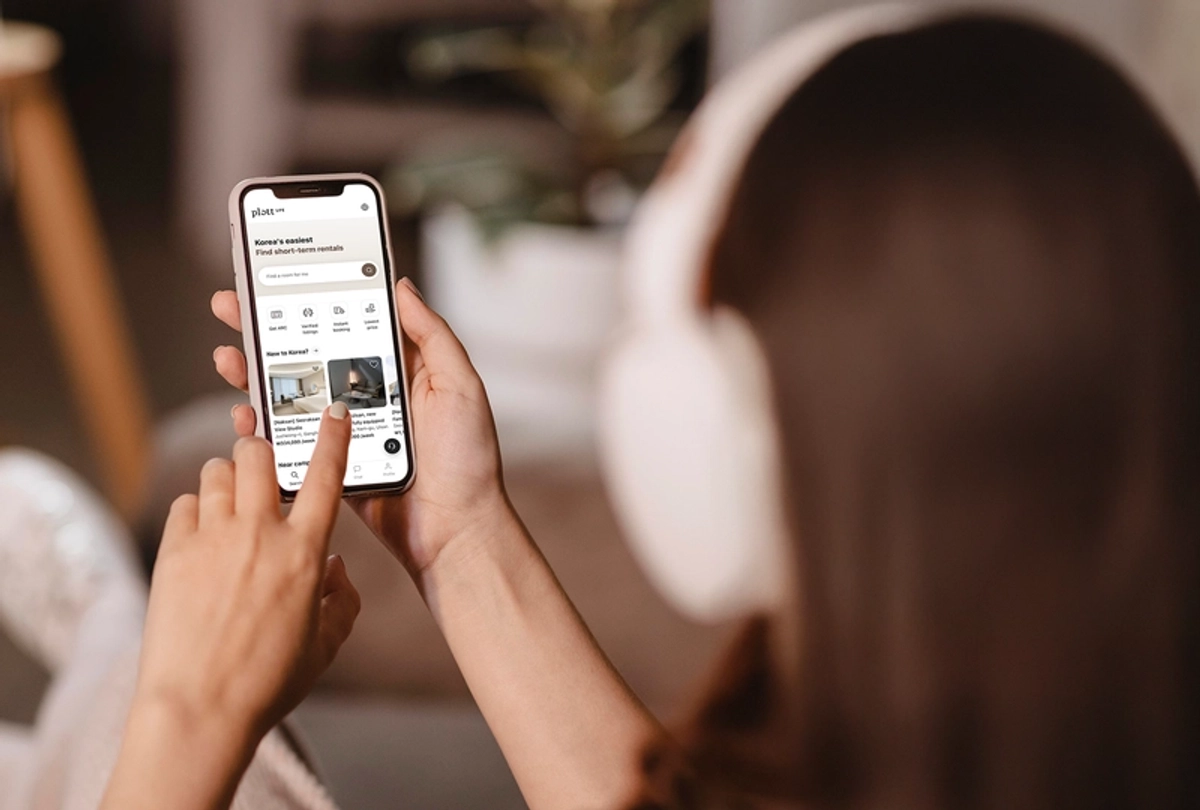
다국어를 공식 지원하는 Plott LIFE 플랫폼을 활용하면 상담부터 계약서 작성까지!
내 나라의 언어(중국어·베트남어·영어·일본어·몽골어·우주베키스탄어 등)로 진행할 수 있어요.
7개 국어를 지원하니, 혹시나 언어 장벽 때문에 보증금을 잃을까 봐 걱정하지 않아도 돼요.
❌ 오해: "보증금은 무조건 500만원 이상 비싼 목돈을 내야 한다"
✅ 사실: '보증금 0원'이라는 선택지도 있어요.
목돈 마련이 어려운 유학생들을 위해 Plott LIFE는 보증금 없이 입주 가능한 레지던스나 풀옵션 원룸 매물이 있어요.
똑똑한 유학생들이 주로 선택하는 전략이죠.
❌ 오해: "1~3개월 단기 거주는 월세가 비싸서 손해다?"
✅ 사실: 매달 따로 내는 '관리비와 공과금'을 따져보면 오히려 더 저렴할 수 있어요.
보통 장기 계약은 월세 외에도 매달 건물 관리비, 전기세, 가스비, 수도세, 인터넷 요금을 별도로 내야 해요.
한국 겨울의 매서운 난방비나 여름의 에어컨 비용을 합치면 배보다 배꼽이 더 커지는 경우가 많죠.
또 공과금을 납부하는 과정 또한 유학생에게는 복잡하고, 번거로운 일이기도 하고요.
Plott LIFE의 매물은 이 모든 비용이 월세에 포함된 경우가 많아요.
따로 한국어로된 고지서를 챙길 필요도, 예상치 못한 관리비&공과금 폭탄에 당황할 일도 없으니 훨씬 경제적이고 편리해요.
외국인 유학생 한국 집 계약 방법 — 단계별 가이드
낯선 한국 땅에서 나만의 안식처를 찾을 때는
딱 아래 5가지만 기억하세요.
① 내 나라 언어를 지원하는 플랫폼 찾기
먼저 플랫폼 자체가 중국어·베트남어·영어·일본어·몽골어·우주베키스탄어 등 다양한 언어를 공식 지원하는지 확인하세요.
서비스 언어가 한국어뿐이라면, 상담부터 계약까지 보이지 않는 장벽에 부딪힐 확률이 높아요.
첫 단추는 나에게 익숙한 언어로 소통할 수 있는 곳을 고르는 것이 안전해요.
② '보증금 0원' 필터로 목돈 부담 덜기
한국의 보증금 시스템에 당황하지 마세요.
Plott LIFE에서는 매물 검색 시 '보증금 0원' 필터를 활용하면 큰 목돈 없이도 바로 입주 가능한 집들을 찾을 수 있어요.
보증금 예치 부담 없이 월세만 내면 되니 유학생에겐 훨씬 가벼운 선택지가 될 거예요.
③ '올인원(All-in-one)' 비용인지 확인하기
월세가 저렴해 보여도 가스비, 수도세, 인터넷 요금이 별도라면 매달 지출을 예측하기 힘들어요.
게다가 매달 돌아오는 고지서 챙기기, 생각보다 귀찮은 일이죠.
공과금이 따로라면 서너 개의 고지서를 일일이 확인하고 기한 맞춰 내느라 신경 쓸 게 참 많아요.
모든 비용이 합쳐진 곳을 고르면 딱 한 번만 입금하면 끝이니까,
복잡한 지출 관리와 연체 걱정에서 벗어나, 일상이 훨씬 가벼워질 거예요.
미리 확인하세요 : 집 계약 전에는 전기·수도·인터넷·관리비가 월세에 모두 포함되어 있는지 확인하세요.
모든 비용이 합쳐진 매물을 골라야 예상치 못한 '관리비&공과금 폭탄'을 피하고 실제 총비용을 정확히 관리할 수 있어요.
④ '단기 계약'으로 먼저 살아보기
처음부터 1~2년의 긴 계약 기간(12개월 강제 계약)에 묶이는 것은 위험할 수 있어요.
막상 살아보니 층간소음이나 배수 문제처럼 겉으론 보이지 않던 하자가 있을 수도 있고,
밤늦은 귀갓길이 생각보다 위험하거나 주변 환경이 소란스러운 등 예상치 못한 불편함이 나타날 수 있기 때문이에요.
Tip : 1주에서 1개월 단위의 단기 계약이 가능한 집을 먼저 고르세요.
직접 살아보며 동네 분위기와 집 상태를 파악한 뒤에 장기 거주를 결정하는 것이 더 좋은 선택이에요.
⑤ '임대차 계약서' or '거주/숙소제공확인서' 꼭 챙기기
한국에 머무는 외국인에게 주민등록증 역할을 하는 "외국인 등록증(ARC)"을 발급받기 위해서는
"내가 어디에 사는지" 증명하는 서류가 반드시 필요해요.
그게 바로 '임대차 계약서' or '거주/숙소제공확인서'인데요.
이 서류들은 단순히 거주를 증명하는 것을 넘어,
여러분의 소중한 보증금을 법적으로 보호받고 한국 생활의 신분을 보장받는 가장 확실한 문서가 될 거예요.
미리 확인하세요 : 계약하려는 곳에서 정식 임대차 계약서나 거주/숙소제공확인서를 발급해 주는지 꼭 물어봐야 해요.
또 서류 내용이 모두 한국어라 불안하다면, 영문 버전을 함께 제공하거나 다국어 번역 서비스를 지원하는 곳인지 체크하세요.
FAQ — 외국인 유학생 한국 집 구하기 자주 묻는 질문
Q. 한국어 못해도 집 계약할 수 있나요?
A. 네, 가능해요. 다국어를 공식 지원하는 외국인 전용 플랫폼을 이용하면
영어·중국어·베트남어·일본어·몽골어 등 모국어로 상담부터 계약서 작성까지 진행할 수 있어요.
일반 부동산은 한국어 전용인 경우가 대부분이라 외국인 전용 플랫폼을 이용하는 게 안전해요.
Q. 외국인 유학생 보증금 없이 집 구하는 방법은?
A. 외국인 전용 플랫폼에서 '보증금 0원' 필터를 적용해 검색하면 돼요.
보증금 0원 매물은 레지던스·풀옵션 원룸 형태가 많고,
관리비·공과금이 월세에 포함된 경우가 많아서 총비용 예측도 쉬워요.
Q. ARC(외국인 등록증) 발급 때 필요한 서류가 뭔가요?
A. 임대차 계약서 또는 거주/숙소 제공 확인서가 필요해요.
모든 숙소가 이 서류를 발급해주지 않기 때문에, 계약 전에 발급 가능 여부를 반드시 확인하세요.
영문 서류가 필요하다면 다국어 번역 지원 여부도 함께 확인하는 게 좋아요.
Q. 외국인이라는 이유로 집 계약을 거부당하면 어떻게 하나요?
A. 외국인 계약 가능 매물만 모아둔 외국인 전용 플랫폼을 이용하는 게 가장 효율적이에요.
처음부터 외국인 계약이 가능한 매물만 필터링해서 보여주기 때문에, 거부당하는 시간 낭비 없이 바로 계약으로 이어질 수 있어요.
Q. 한국 단기 임대 최소 계약 기간은 얼마인가요?
A. 일반 원룸은 12개월이 기본이에요. 단기 임대 전문 레지던스나 외국인 전용 플랫폼에서는 1주 단위부터 계약이 가능한 매물도 있어요.
처음 한국에 오는 유학생이라면 1~2주 단기로 먼저 살아보고, 집 상태와 동네를 확인한 뒤 장기 거주 여부를 결정하는 게 가장 안전해요.
한국어를 몰라도, Plott LIFE에서는 안전한 집 계약이 가능해요.
다국어 지원, 보증금 0원, 관리비 포함, 단기 계약, ARC 발급 서류까지.
이 복잡한 조건을 한 번에 해결하고 싶다면, Plott LIFE 가 정답이 될 거예요.
Plott LIFE — 외국인 유학생을 위한 주거 플랫폼
다국어 지원 · 보증금 0원 · 1주 단기 입주 · 거주/숙소제공 확인서 발급
한국어를 몰라도 괜찮아요, 한국 도착 전날 계약해도 충분해요.
지금 바로 여러분의 첫 번째 안식처를 찾아보세요.
PLOTT LIFE