한국 첫 달, 예상치 못한 지출에 당황할 수 있어요
외국인 유학생이 한국에 도착한 후 가장 많이 겪는 재정적 어려움은 바로 '예상치 못한 초기 지출'이에요.
한국유학종합시스템(스터디인코리아)에 따르면, 외국인 유학생의 월평균 생활비는 약 75만 원에서 100만 원인데,
이 중 주거비가 50만 원에서 70만 원으로 가장 큰 비중을 차지해요 (2026년 기준).
하지만 단순히 월세만 생각하면 안 돼요. 초기 정착 비용에는 보증금 외에도
가구 및 가전제품 구매, 인터넷 설치, 휴대폰 개통, 그리고 공과금 등 간과하기 쉬운 지출 항목들이 많아요.
이런 비용을 미리 고려하지 않으면 첫 달부터 재정적인 어려움을 겪을 수 있어요.
첫 달 생활비 관리가 중요한 이유는 한국 생활의 첫인상과 직결되기 때문이에요.
초기 지출을 현명하게 관리하면 학업에 집중하고 한국 문화를 즐길 여유가 생겨요.
많은 유학생이 한국에 오면 모든 것이 저렴할 것이라고 오해하지만, 특히 주거비와 초기 정착 비용은 예상보다 훨씬 높을 수 있어요.
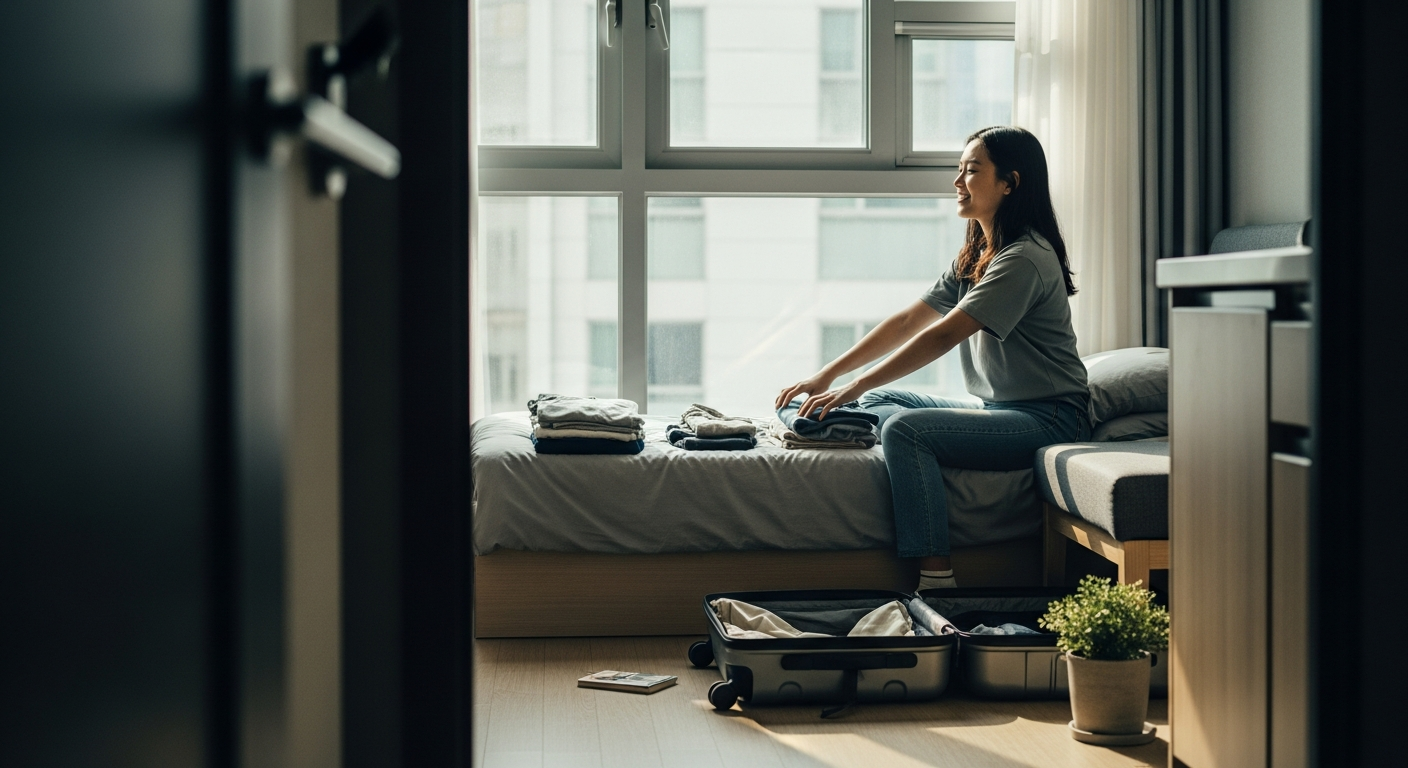
장기 계약 vs 단기 임대, 어떤 선택이 더 합리적일까요?
한국의 주택 임대차 계약은 외국인 유학생에게 높은 보증금 부담을 안겨줘요.
찾기쉬운 생활법령정보에 따르면, 일반적으로 수백에서 수천만 원에 달하는 보증금을 요구받아요 (2026년 기준).
Reddit 및 Quora 커뮤니티의 외국인 유학생 경험에 따르면, 신용 기록이나 한국 내 보증인이 없는 경우 주택 임대가 매우 어렵거나,
보증금으로 두 달치 월세 이상의 금액을 요구받는 경우가 많다고 해요 (Reddit r/GradSchool, 2023년; Reddit r/columbia, 2021년).
이런 상황에서 장기 임대와 보증금 없는 단기 임대 중 어떤 선택이 더 합리적일까요?
① 장기 계약의 숨겨진 비용과 위험
한국에서 일반적인 장기 임대 계약은 평균 500만 원에서 2,000만 원에 달하는 높은 보증금을 요구해요.
이 금액은 유학생의 초기 자금을 크게 묶어두는 요인이 돼요. 한국유학종합시스템에 따르면, 유학생의 주거비는 월 50만~70만 원이지만, 보증금은 별개예요.
중도 해지 시 발생하는 위약금이나 새로운 세입자를 직접 구해야 하는 부담도 커요.
계약 기간을 채우지 못하고 나가야 할 경우, 남은 월세를 지불하거나 새 세입자를 구하지 못하면 보증금을 돌려받기 어려울 수 있어요.
한국어 계약서 이해 부족으로 인한 법적 분쟁 위험성도 무시할 수 없어요.
⚠️주의: 한국 임대차 계약은 법적 구속력이 강해요. 계약서 한국어 조항을 완전히 이해하지 못하고 사인하면, 보증금을 못 돌려받는 등 불리한 상황에 처할 수 있어요.
② 보증금 없는 단기 임대가 주는 실질적인 이점
보증금이 없으면 초기 자금 부담이 크게 줄어들어요. 수백만 원의 목돈이 묶이지 않으니, 그 돈을 학비나 다른 생활비로 활용할 수 있어요.
단기임대 호스트에 따르면, 외국인 유학생을 위한 단기 임대는 보증금 부담 없이 계약이 가능하여 초기 정착 비용을 크게 줄일 수 있는 실용적인 대안으로 부상하고 있어요 (2025년).
단기 계약으로 유연하게 거주 기간을 조절할 수 있는 장점도 있어요.
단기 임대는 유학생의 학업 기간에 맞춰 유연한 계약 기간을 제공하여, 장기 계약의 부담 없이 효율적인 주거 계획을 세울 수 있게 해요.
또한, 단기 임대 숙소는 대부분 가전제품과 가구가 완비되어 있어, 유학생들이 초기 생활용품 구매 비용을 절약하고 즉시 생활을 시작할 수 있도록 돕습니다.
💡팁: 첫 달은 무조건 단기 임대로 시작하세요. 한국 생활에 익숙해지고 동네를 충분히 익힌 뒤, 자신에게 맞는 장기 숙소를 찾아도 늦지 않아요.
9월 학기 유학생, 이렇게 하면 첫 달 생활비를 절약할 수 있어요
9월 학기 유학생이라면 보증금 없는 단기 임대를 활용하여 초기 정착 비용을 최소화하는 것이 가장 현명해요.
한국 도착 후 1~3개월 정도 단기 임대 숙소에 머물면서 한국 생활에 적응하고, 주변 환경을 탐색하며 장기 숙소를 알아보는 전략을 추천해요.
Step 1: 보증금 없는 단기 임대로 첫 달 숙소 해결
한국에 오기 전, 플라트라이프와 같은 플랫폼을 통해 보증금 0원 단기 임대 숙소를 예약하세요.
가구와 가전제품이 모두 갖춰져 있어 이불, 식기류 등 기본적인 생활용품만 준비하면 돼요.
이렇게 하면 초기 목돈 지출을 막고, 한국 도착 후 바로 편안하게 생활을 시작할 수 있어요.
Step 2: 한국 생활에 적응하며 장기 숙소 탐색
단기 임대 숙소에 머무는 동안 학교 주변이나 원하는 지역의 장기 숙소를 직접 둘러보세요.
한국의 임대 시장을 이해하고, 자신에게 맞는 조건의 집을 충분히 비교해 볼 시간을 가질 수 있어요.
급하게 계약하지 않아도 되니 심리적인 부담도 줄어들어요.
Step 3: 다른 생활비 항목도 함께 절약하기
교통비: 대중교통 이용 시 'T머니 카드'를 사용하면 편리하고, 환승 할인 혜택도 받을 수 있어요. 자전거 공유 서비스 '따릉이'도 좋은 대안이에요.
식비: 학교 식당이나 주변 저렴한 식당을 이용하고, 마트에서 식재료를 사서 직접 요리하면 식비를 크게 줄일 수 있어요.
통신비: 초기에는 선불 유심을 사용하고, 외국인등록증(ARC) 발급 후 알뜰폰 요금제를 알아보면 통신비를 절약할 수 있어요.
플라트라이프와 함께라면 한국 생활 시작이 더 쉬워져요
플라트라이프는 9월 학기 외국인 유학생 여러분의 한국 정착을 돕기 위해 다양한 서비스를 제공해요. 특히 보증금 0원 단기 임대는 초기 재정적 부담을 덜어주는 가장 큰 장점이에요.
보증금 0원 단기 임대: 수백만 원의 보증금 없이 계약할 수 있어, 초기 자금을 학비나 생활비로 활용할 수 있어요.
다국어 지원 서비스: 한국어 계약서가 어렵다고요? 플라트라이프는 다국어 지원으로 계약 및 소통의 어려움을 해소해 드려요. 궁금한 점은 언제든 편하게 물어보세요.
유연한 1주 단위 단기 입주: 1주부터 3개월까지, 유학생의 학업 일정에 맞춰 유연하게 거주 기간을 조절할 수 있어요. 장기 계약의 부담 없이 한국 생활을 시작해 보세요.
거주숙소제공확인서 발급 지원: 외국인등록증(ARC)은 한국에 90일 이상 체류하는 모든 외국인이 발급받아야 하는 필수 신분증이에요 (출입국관리법 제36조제1항, 2026년 기준). 플라트라이프는 ARC 발급에 필요한 거주숙소제공확인서 발급을 지원하여, 비자 및 외국인등록증 발급 절차를 간소화할 수 있도록 도와드려요. ARC 발급에는 보통 3~4주 정도 걸려요 (2026년 출입국·외국인청 기준).
✅ 체크: 9월 학기 외국인 유학생은 보증금 0원 + 1주 단위 단기 임대로 시작하는 것이 초기 부담을 줄이고 한국 생활에 유연하게 적응하는 가장 좋은 방법이에요.
플라트라이프와 함께라면 한국 생활 시작이 훨씬 쉬워질 거예요!
📚 참고 출처
본 콘텐츠는 다음 공식 자료를 참고해 작성됐습니다.
vertexaisearch.cloud